Corridor read
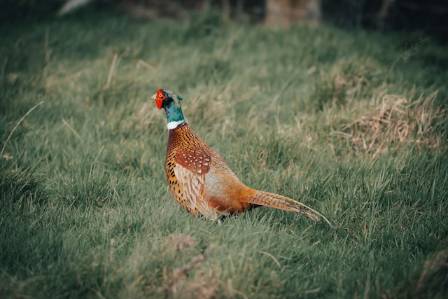
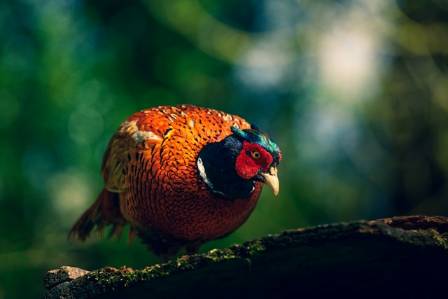
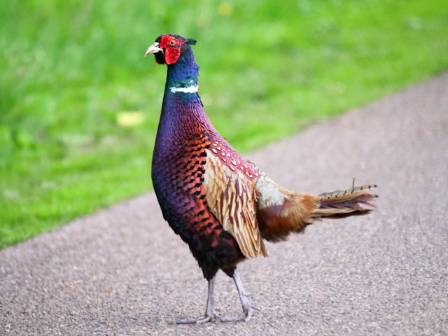
Swinhoe’s Pheasant: Taiwan’s Hidden Blue Treasure
When people think about animals described as “vulnerable,” they may imagine famous species such as the magnificent Amur tiger or the powerful Indian rhinoceros.
Miles
Temple note
Layer tip
The full corridor digest continues below along soft meter ticks.
Path
Temple Corridor
More along this corridor
MID · en
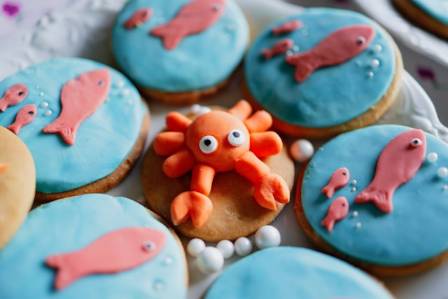
Crafting Nostalgia: A Guide to Homemade Frosted Animal Cookies
Recreating a childhood classic at home is a rewarding way to enjoy a beloved snack while maintaining full control over the ingredients. These miniature sugar cookies, modeled after various animals, are dipped in a smooth, colorful glaze and finished with a generous dusting of nonpareil sprinkles. This homemade version captures the whimsical spirit of the original store-bought treats, making them a perfect addition to celebrations, seasonal gatherings, or simply as a playful afternoon snack.
MID · en

Saddle Up with Style: 5 Essential Tips for Beginner Riders
Are you gearing up for your first equestrian adventure? Before you hit the trails, here are five essential tips to help beginner riders appear more confident and expert in the saddle:
MID · en

14 Incredibly Stunning East Coast Beach Towns for Your Next Ultimate Seaside Getaway
Traveling to the coast for a seasonal vacation offers the perfect opportunity to venture out and discover the charming communities lined along the shoreline. Beyond the standard allure of the ocean waves, these small coastal settlements serve as the primary destination highlights, delivering unique local heritages and deeply memorable moments for travelers of all generations. Whether you are searching for handcrafted coastal souvenirs or hunting down the most delicious traditional confections, the natural splendor and deep historical roots of these destinations are truly exceptional.
MID · en
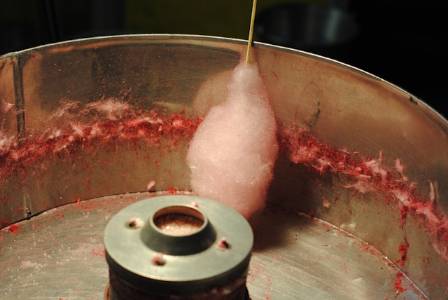
The Evolution of Cotton Candy: From Circus Treat to Cultural Icon
Cotton candy, a fluffy, sugary delight beloved by young and old alike, has undergone a remarkable transformation over the past century—evolving from a simple circus novelty to a globally recognized cultural icon. What began as "fairy floss" at the 1904 St. Louis World’s Fair has since captured hearts across continents, adapting to changing tastes, technological advancements, and cultural traditions while retaining its core essence of joy and nostalgia. From its whimsical origins to its modern gourmet reinventions, cotton candy’s journey reflects not just the evolution of a confection but also the ways in which simple pleasures can become deeply woven into the fabric of shared human experiences. Today, it stands as more than just a sweet treat; it is a symbol of celebration, childhood wonder, and creative innovation, with a rich history that continues to unfold in fairs, festivals, and culinary scenes around the world.
MID · en

Importance of Microscope in our Daily Life
Microscopes have transformed the way humans understand the natural world. With the help of microscopes, scientists, researchers, and students have been able to discover microorganisms, explore the internal structure of cells, and examine the smallest components of plants, animals, and fungi.
MID · en

Alaska rivers flow through mountain range
Alaska’s geography contains a remarkable natural feature that makes life in the Interior more accessible and practical. Because of a unique river corridor, residents can enjoy easier transportation routes, receive goods such as affordable bananas, and maintain communities in the challenging subarctic environment. The Nenana River, which begins on the southern side of the Alaska Range, turns around and travels northward through the mountains. Along its path, it created a broad, low-elevation passage that later became an ideal route for the Alaska Railroad and the Parks Highway.