Introduction: From Circus Treat to Cultural Icon
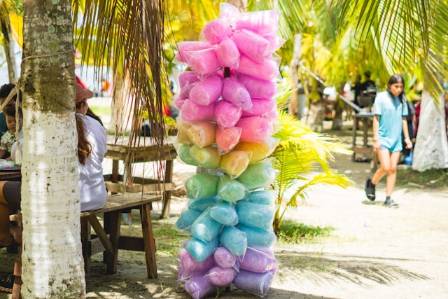
Cotton candy, a fluffy, sugary delight beloved by young and old alike, has undergone a remarkable transformation over the past century—evolving from a simple circus novelty to a globally recognized cultural icon. What began as "fairy floss" at the 1904 St. Louis World’s Fair has since captured hearts across continents, adapting to changing tastes, technological advancements, and cultural traditions while retaining its core essence of joy and nostalgia. From its whimsical origins to its modern gourmet reinventions, cotton candy’s journey reflects not just the evolution of a confection but also the ways in which simple pleasures can become deeply woven into the fabric of shared human experiences. Today, it stands as more than just a sweet treat; it is a symbol of celebration, childhood wonder, and creative innovation, with a rich history that continues to unfold in fairs, festivals, and culinary scenes around the world.
The Origin of Cotton Candy: Invention and Debut
The story of cotton candy begins not with a confectioner, but with a dentist—William Morrison—and a confectioner, John C. Wharton, who together invented the first electric cotton candy machine in 1897. This groundbreaking device revolutionized the production of spun sugar, a delicacy that had roots dating back to 15th-century Italy, where chefs crafted intricate sugar strands as an extravagant indulgence for the wealthy. Morrison and Wharton’s invention made spun sugar accessible to the masses, and they debuted their creation at the 1904 St. Louis World’s Fair under the name "fairy floss." The treat was an instant sensation, selling an astonishing 68,655 boxes at 25 cents each—equivalent to over $525 million in today’s currency—generating more than $17,000 in revenue and solidifying its place as a fairground staple from the very start. This debut marked the beginning of cotton candy’s journey from a luxury for the elite to a beloved treat for people of all ages and backgrounds.
The Naming Journey: From Fairy Floss to Cotton Candy
While "fairy floss" captured the whimsy and magic of the confection at its 1904 debut, a cultural shift in naming conventions would soon redefine its identity. In the 1920s, dentist Josef Lascaux recognized the need for a more marketable name that would resonate with a broader audience, and he introduced the term "cotton candy." This new moniker, evoking the fluffy texture of cotton plants, proved far more appealing to consumers and aligned with the era’s shifting cultural trends toward simplicity and accessibility. By the late 1920s, "cotton candy" had become the standard term in the United States, replacing "fairy floss" in most regions—though the original name still lingers in some parts of the world today, such as Australia and the United Kingdom. The naming journey of cotton candy is more than just a linguistic change; it reflects the treat’s growing popularity and its adaptation to the tastes and preferences of a changing society, helping to establish its global recognition.
Rise to Popularity: Capturing Hearts Across America
Following its rebranding as "cotton candy," the treat’s popularity soared across America, becoming a staple at fairs, circuses, and community celebrations. The 1920s marked a pivotal era for cotton candy, as aggressive marketing efforts—including advertisements in major publications like the New York Times—helped solidify its reputation as a must-have indulgence. Its unique, airy texture and vibrant colors made it irresistible to children and adults alike, and its association with joyous, communal events further boosted its appeal. The 1904 World’s Fair success had already proven its draw, but the 1920s saw cotton candy transition from a novelty item to a beloved cultural tradition. Families began associating it with cherished childhood memories of carnival rides, game booths, and summer days, and its presence at events became a symbol of celebration and carefree fun. By mid-century, cotton candy had become synonymous with American fair culture, and its popularity showed no signs of waning as it continued to spread to other parts of the world.
Technological Innovations: Revolutionizing Production
Technological advancements have played a crucial role in shaping cotton candy’s evolution, making it more accessible, efficient, and versatile over time. The original 1897 electric machine invented by Morrison and Wharton was a game-changer, but subsequent innovations further revolutionized production. In 1949, Gold Medal Products introduced a spring-loaded base for cotton candy machines, enhancing stability and making them easier to use at events. The 1970s brought the rise of automated machines, which could self-bag cotton candy and drastically increase production speed, allowing vendors to serve more customers and meet growing demand. Modern machines have continued to improve, with the ability to hold up to three pounds of sugar and produce larger batches quickly. These technological leaps have not only made cotton candy more affordable and widely available but also paved the way for creative innovations in flavors and presentation—from DIY cotton candy kits for home use to machines that can spin sugar into intricate shapes. Without these advancements, cotton candy might have remained a niche novelty rather than the global phenomenon it is today.
Global Variations: Cultural Twists on a Sweet Classic
As cotton candy spread around the world, it adapted to local cultures, giving rise to unique variations that reflect regional tastes and traditions. In China, a traditional version called "dragon’s beard" (long xu tang) involves pulling and twisting sugar into ultra-fine strands, often mixed with crushed peanuts or sesame seeds for added texture and flavor. In the Netherlands, it is known as "suikerspin" (sugar spin), a popular treat at fairs and amusement parks that retains the classic fluffy texture but is sometimes served with a sprinkle of cinnamon or cocoa. Japan has taken cotton candy to new heights with innovative flavors like matcha, sake, and even soy sauce, catering to local palates and blending traditional tastes with modern indulgence. In India, street vendors sell "papdi," a colorful cotton candy variant that is a staple at festivals like Diwali and Holi, often served on small paper cones for easy eating. Presentation also varies globally: some regions shape cotton candy into whimsical figures, while others incorporate it into hybrid desserts like cotton candy burritos (a mix of cotton candy and ice cream) or use it as a garnish for cocktails and cakes. These global variations showcase cotton candy’s versatility and its ability to resonate with diverse cultures, solidifying its status as a truly international treat.

Contemporary Trends: Gourmet Reinventions and Social Media Appeal
In recent years, cotton candy has experienced a gourmet renaissance, driven by social media and a growing demand for unique, Instagram-worthy culinary experiences. Chefs and confectioners around the world have begun experimenting with unconventional flavors, moving beyond the classic cherry and vanilla to offer options like dill pickle, gingerbread, lavender, and even savory varieties. Gourmet shops now use organic sugars, natural flavorings, and plant-based ingredients to cater to health-conscious consumers, making cotton candy a more inclusive treat. The rise of social media has also fueled the popularity of artisanal cotton candy, with intricate creations—from cotton candy clouds to personalized messages spun in sugar—becoming viral sensations. Another trend is the fusion of cotton candy with other desserts, such as cotton candy ice cream sundaes, milkshakes topped with fluffy sugar, and even cotton candy-topped churros. These contemporary reinventions have helped cotton candy appeal to a new generation of consumers while retaining its nostalgic charm, proving that this classic treat can adapt to modern tastes and trends.
Economic Impact: A Profitable Treat Through the Ages
Cotton candy’s popularity has always been accompanied by significant economic impact, from its debut at the 1904 World’s Fair to today’s global market. At the fair, Morrison and Wharton’s 68,655 boxes sold for 25 cents each generated over $17,000—an impressive sum at the time, especially considering sugar cost just four cents per pound. Low production costs and high demand have made cotton candy a profitable venture for entrepreneurs, from small-scale vendors at local fairs to large manufacturers selling pre-packaged cotton candy in supermarkets. The introduction of automated machines and mass production has further increased profitability, allowing vendors to scale their businesses and reach wider audiences. In recent years, social media marketing has become a key driver of sales, with vendors using platforms like TikTok and Instagram to showcase their creative flavors and presentations, attracting customers and boosting revenue. Today, the global cotton candy market is valued at millions of dollars, with demand continuing to grow as new trends and innovations emerge. Cotton candy’s economic success is a testament to its enduring appeal and its ability to remain relevant in a constantly changing market.
Cultural Significance: Joy, Nostalgia, and Shared Celebrations
Beyond its economic impact and culinary evolution, cotton candy holds deep cultural significance as a symbol of joy, nostalgia, and shared experiences. For many people, the sight and taste of cotton candy evoke cherished childhood memories of fairs, circuses, and family outings—moments of carefree happiness that transcend age and time. It is a staple at cultural events around the world, from carnivals in Brazil to festivals in Japan, and its presence often signifies celebration and indulgence. Cotton candy’s whimsical appearance and sweet flavor make it a favorite at children’s parties, weddings, and corporate events, bringing people together through a shared love of simple pleasures. It also represents creativity and innovation, as seen in its global variations and contemporary gourmet reinventions. In a world that often feels fast-paced and complex, cotton candy offers a nostalgic escape—a reminder of the joy found in small, sweet moments. Its cultural significance lies not just in its popularity, but in its ability to connect people across generations, cultures, and backgrounds through a universal love of sweetness and fun.
Conclusion: A Timeless Icon of Sweet Delight
From its humble beginnings as "fairy floss" at the 1904 St. Louis World’s Fair to its current status as a global cultural icon, cotton candy’s journey is a testament to the power of simple pleasures to capture hearts and stand the test of time. Its evolution has been shaped by technological innovations, cultural adaptations, and changing consumer tastes, yet it has never lost its core appeal—fluffy, colorful, and irresistibly sweet. Today, cotton candy is enjoyed by millions around the world, whether as a classic fairground treat, a gourmet reinvention, or a traditional cultural variant. It symbolizes joy, nostalgia, and celebration, and its ability to adapt to new trends while retaining its nostalgic charm ensures that it will remain a beloved icon for generations to come. As we savor a bite of cotton candy at a carnival, festival, or gourmet shop, we are not just indulging in a sugary confection—we are partaking in a rich history of innovation, creativity, and shared happiness. With over 25 million pounds consumed annually in the United States alone, cotton candy’s legacy is far from over; it continues to evolve, surprise, and delight, proving that some treats are truly timeless.