Corridor read
The Lotus Flower - A symbol of beauty and transformation
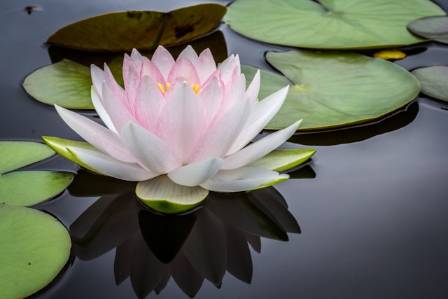
The lotus flower, known as hasu in Japan, rises gracefully from muddy pond water and produces impressive pink or white blossoms. These delicate flowers bloom during the hottest months of July and August, but each blossom lasts for only around four days. The flowers open in the early morning when the sun rises and gradually close as the afternoon arrives, appearing as if they are resting after their brief display of beauty.
Everett Collins
Temple note
Layer tip
The full corridor digest continues below along soft meter ticks.
Path
Temple Corridor
The lotus flower, known as hasu in Japan, rises gracefully from muddy pond water and produces impressive pink or white blossoms. These delicate flowers bloom during the hottest months of July and August, but each blossom lasts for only around four days. The flowers open in the early morning when the sun rises and gradually close as the afternoon arrives, appearing as if they are resting after their brief display of beauty.
Despite its short flowering period, the lotus has a powerful presence. Its fragrant blossoms, floating leaves, and elegant appearance have made it one of the most admired plants in Japanese culture.
The Symbolism of the Lotus Flower
Because the lotus grows from deep mud yet produces pure and beautiful flowers, it has long represented spiritual transformation, rebirth, and enlightenment. Its strong roots and brief blossoms reflect the idea of life’s continuous cycle, while its clean flowers rising above muddy water symbolize the ability of every person to overcome difficulties and achieve a higher state of being.
The round leaves and pointed petals also represent the endless movement of existence. Lotus seeds are traditionally used as Buddhist prayer beads, and some ancient seeds have successfully sprouted even after being preserved for nearly 2,000 years.
The Connection Between Lotus and Buddhism
The relationship between the lotus and Buddhism began in India, where the famous Lotus Sutra (Hokke-kyo) played an important role in Buddhist teachings. The scripture sought to bring together different Buddhist traditions by emphasizing that sincere faith and devotion could guide anyone toward spiritual salvation.
After Buddhism spread to Japan, various schools including Jodo, Shingon, Tendai, and Nichiren Buddhism embraced the teachings of the Lotus Sutra. The flower became deeply connected with Buddhist art, philosophy, and religious symbolism.
Lotus Flowers in Japanese Buddhist Art
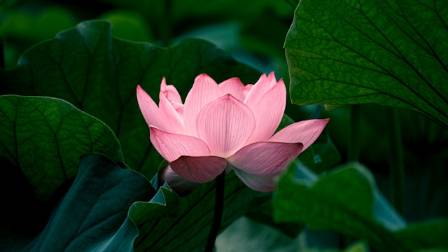
Many Buddhist statues are placed on fully opened lotus blossoms, especially representations of Amida Buddha, the Buddha of the Western Paradise. Famous examples can be found at temples such as Byodo-in Temple in Uji and Todai-ji Temple in Nara.
The Bodhisattva Kannon, the Buddhist figure associated with compassion, is also frequently shown standing on a lotus flower or holding lotus blossoms in her hands. Visitors can see examples of this imagery at Sanjusangen-do Temple.
According to Buddhist beliefs, those who enter paradise are able to rest upon lotus thrones. Because of this symbolism, many lovers separated by fate have imagined that they could reunite on the same lotus flower after death.
The Lasting Beauty and Uses of the Lotus
The lotus remains attractive even after its petals disappear. Its unique seed pod has a fascinating honeycomb-like structure, while its large round leaves maintain their rich green color throughout the season.
Beyond its spiritual and decorative value, the lotus also has practical uses in Japanese cuisine. The roots, known as renkon, are edible and commonly appear in traditional dishes, bento lunch boxes, and fried tempura preparations.
Through its beauty, symbolism, and usefulness, the lotus continues to hold a special place in Japanese nature, culture, and everyday life.
More along this corridor
MID · en

10 Easy & Fun Felt & Paper Craft Ideas for Beginners
Crafting is a joyful and fulfilling hobby that welcomes enthusiasts of all skill levels. Whether you’re a seasoned artist or just dipping your toes into the world of DIY, there’s no shortage of creative possibilities to explore. Beyond being a fun pastime, crafting is a wonderful form of self-expression—it lets you unwind, tap into your creativity, and make beautiful pieces that bring joy to both you and anyone lucky enough to receive them.
MID · en
How to Serve Raw Oysters at Home
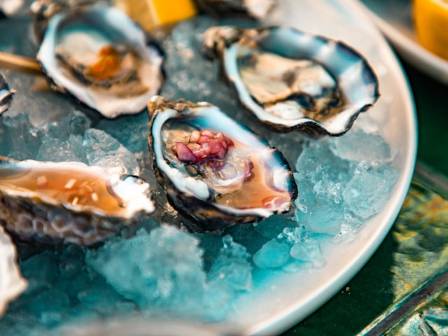
Oysters on the half shell are my default choice whenever I’m hosting a dinner or cocktail gathering because they instantly set the tone. They’re bright, lightly sweet, briny, and pair beautifully with sparkling drinks. Even better, they require almost no cooking or complicated prep.
MID · en

Ultimate Cream Slices with Puff Pastry and Vanilla Cream
Cream slices are pure indulgence in four layers: A delicate puff pastry base, topped with velvety vanilla cream and fluffy whipped cream. The finishing touch? Another fine, flaky pastry layer, dusted with powdered sugar or decorated with icing.
MID · en

Getting to Know the Black-Tailed Prairie Dog (Cynomys ludovicianus)
The black-tailed prairie dog (scientific name: Cynomys ludovicianus) is a small, charismatic rodent that plays a vital role in the prairie ecosystems of North America. Closely related to ground squirrels, this species is easily recognizable by its distinct physical traits and complex social behavior. From their bustling “towns” to their role as a keystone species for predators and other wildlife, black-tailed prairie dogs are far more than just cute burrowers, they are a cornerstone of the grassland habitats they call home. Below, we’ll explore every aspect of their lives, from their appearance and behavior to their habitat, distribution, and the challenges they face in the modern world.
MID · en
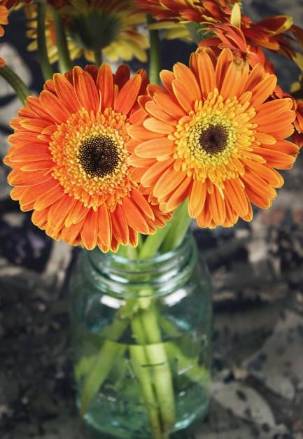
Discover the Diversity: 6 Varieties of Daisies to Illuminate Your Garden
Daisies, an integral part of the vast Asteraceae family, comprise an astounding 10 percent of the world's flowering plants. While the Common Daisy and Gerbera Daisy often steal the spotlight, it's fascinating to note that there are over 20,000 distinct "daisy" species within this extensive plant family. The Asteraceae family boasts not only daisies but also includes members like sunflowers, chrysanthemums, and even lettuce.
MID · en

Create Beautiful Paper Collage Art in Under 15 Minutes
Many of us tend to collect beautiful scraps of paper, tucking them away for a "perfect" future project that never seems to arrive. Today is the day to transform those hidden treasures into something you can truly admire. Paper collage is a wonderfully accessible art form because it lacks strict rules and requires no specialized expertise. This project is perfect for everyone—even those who claim they aren't artistic. By moving quickly and silencing your inner critic, you can complete a stunning piece of art in just 15 minutes.