Corridor read
Gardenia Bush Care Guide
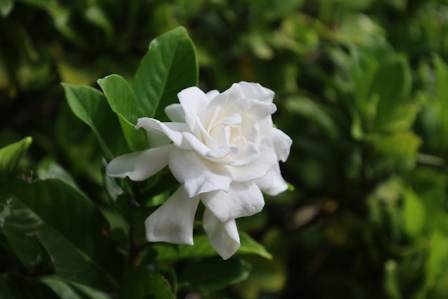
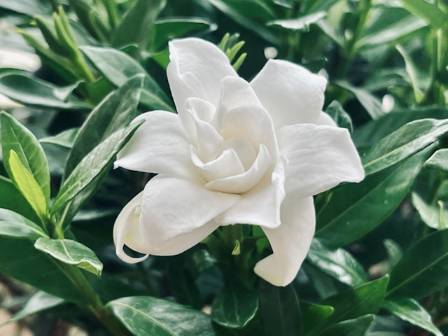
The classic gardenia shrub makes an unforgettable impression as soon as its first flower opens. Its creamy white blossoms release a rich fragrance that can carry across the garden, while its shiny, deep green evergreen leaves provide attractive foliage throughout the year.
Maeve Sullivan
Temple note
Layer tip
The full corridor digest continues below along soft meter ticks.
Path
Temple Corridor
The classic gardenia shrub makes an unforgettable impression as soon as its first flower opens. Its creamy white blossoms release a rich fragrance that can carry across the garden, while its shiny, deep green evergreen leaves provide attractive foliage throughout the year.
Gardenias are especially popular in Southern gardens because they offer repeated flowering rather than producing just one brief display. In suitable conditions, these shrubs can bloom in waves from mid-spring through autumn. Gardenias generally perform well in USDA zones 7 through 11, depending on the variety.
Gardenia varieties range from compact forms such as ‘Radicans’, which typically stays below three feet and works well as a ground cover, to larger selections such as ‘August Beauty’ and ‘Frostproof’, which can eventually reach about five to six feet in both height and width. These subtropical shrubs prefer warm, humid conditions. Most varieties are reliably hardy in zone 8, while ‘Frostproof’ and ‘Kleim’s Hardy’ are better choices for gardeners dealing with zone 7 winters.
Gardenia Quick Facts
Growing zones: USDA zones 7 to 11, depending on the variety
Mature size: Dwarf selections are generally 2 to 3 feet, while standard gardenia shrubs can reach 5 to 6 feet tall and wide
Bloom period: Mid-spring through fall, with flowers appearing in repeated flushes
Light requirements: Morning sunlight followed by afternoon shade in most regions; full sun is suitable in zone 7
Soil requirements: Well-drained, slightly acidic soil with a pH of approximately 5.0 to 6.0
Foliage: Evergreen, glossy, and dark green throughout the year
Where to Plant Gardenia Shrubs
Gardenias should be placed somewhere you can enjoy their wonderful fragrance. Consider planting one near a front entrance, along a pathway, beneath a bedroom window, or next to a patio or swimming pool. They can also be used as informal hedges and foundation plants, while compact varieties are excellent flowering ground covers.
Strong afternoon sunlight can be difficult for gardenias, particularly in zones 9 through 11. A location that receives morning sun and afternoon shade is usually preferable. North- or east-facing areas can provide plenty of morning brightness without the intense heat associated with south- or west-facing walls.
Zone 7 is somewhat different. In this cooler region, gardenias benefit from full sun and a warm southern exposure, which can help them withstand winter temperatures. In colder locations, growing gardenias in containers allows you to move them into a garage or bright indoor location whenever severe freezes are expected.
Soil for Gardenias
Gardenias are acid-loving shrubs that perform best in soil with a pH between 5.0 and 6.0. Good drainage and adequate air circulation are also important. Before planting, test the soil with an inexpensive pH testing kit.
Soil near building foundations can sometimes have a higher pH because calcium from concrete blocks can enter the surrounding soil. For this reason, it is worth checking several locations before deciding where to plant your gardenia.
When soil pH is between 6.5 and 7.0, it can be lowered by incorporating granular sulfur or iron sulfate approximately 8 inches into the soil. Ideally, make these adjustments six to nine months before planting.
If your soil has a pH above 7.0, changing it can become a difficult and ongoing task. In that situation, it may be more practical to select an evergreen shrub that naturally tolerates alkaline soil.
Proper drainage is just as important as the correct acidity. Gardenias do poorly when their roots remain constantly wet. To check a potential planting location, dig a hole about 6 inches deep and 6 inches wide, fill it with water, and check the hole again three hours later. If water is still sitting inside, the location is probably too wet.
The ideal gardenia soil is a fertile, slightly acidic sandy loam that drains well while containing plenty of organic matter.
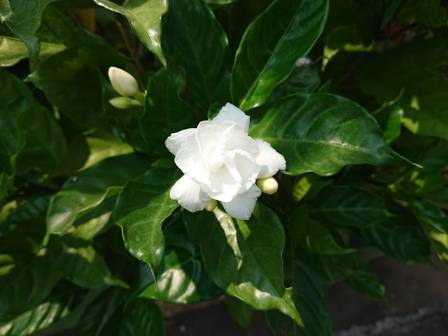
How to Plant Gardenia Shrubs
Spring is an excellent season for planting gardenias because temperatures have not yet become excessively hot, giving the shrub an entire growing season to establish its root system before winter arrives.
Begin by thoroughly watering the gardenia while it is still in its nursery container. Lay the container on its side and gently slide the root ball out. If the roots are stuck against the container, use a long knife to loosen them around the inside edge.
Carefully loosen some roots along the sides and bottom of the root ball so they can grow outward into the surrounding soil instead of continuing to circle. Root pruning is generally unnecessary unless the roots are tightly wrapped around the container. If that has happened, trim the circling roots enough to encourage outward growth.
Create a small mound of soil about 3 to 6 inches high in the middle of the planting hole. Position the root ball on top and spread the roots outward. Add soil until the stem is positioned at the same depth it occupied in the nursery container. Planting slightly too shallow is preferable to planting too deeply. Avoid adding fertilizer or soil amendments directly into the backfill.
Once the hole is about halfway filled, water thoroughly. After the water drains away, check the height of the plant and make any necessary adjustments. Complete the backfilling process and gently press the soil around the roots with your hands.
Create a raised soil ring approximately 3 to 6 inches high around the outer edge of the root zone. This small basin helps direct water toward the roots. Water the newly planted gardenia thoroughly.
Cover the root area with approximately 3 to 6 inches of organic mulch, extending beyond the root ball. Suitable materials include straw, leaves, pine needles, bark, wood chips, grass clippings, and compost. Avoid mushroom compost because its lime content can increase soil pH.
Do not fertilize immediately after planting.
Watering is particularly important during the first growing season. Gardenias planted in spring should generally be watered every day or two during the first three to four months. During dry weather or in sandy soil, daily watering may be necessary. Gardenias planted during fall or winter can usually receive a deep watering every week or two as long as the soil remains adequately moist.
Insufficient water is one of the most common reasons newly planted shrubs fail to establish, so consistent moisture during the first season is essential.
How to Care for Gardenia Bushes
Once established, gardenias generally need around one inch of water each week from rainfall or irrigation. Maintain a 3- to 6-inch layer of mulch to conserve moisture, moderate soil temperatures, and suppress weeds. Keep the mulch a few inches away from the trunk.
Gardenias have relatively shallow roots, so avoid digging or cultivating the soil around them. Remove weeds by hand if they grow through the mulch.
Organic mulch and amendments such as peat moss gradually decompose and add organic material to the soil while helping maintain the acidic conditions gardenias prefer.
When to Fertilize Gardenias
Apply fertilizer once a month during the active growing season using a product specifically formulated for acid-loving plants. Stop feeding during fall and winter so the shrub does not produce tender new growth that could be damaged by freezing temperatures.
Always follow the recommended application rate on the fertilizer label. Applying too much fertilizer can damage the roots.
A liquid fertilizer formulated for gardenias provides an easy feeding option. Used coffee grounds incorporated into the mulch can also provide a modest acidic boost.
Pruning and Bloom Care
Removing faded flowers throughout the blooming period can encourage gardenias to continue producing new buds. Regular deadheading also keeps the plant looking tidy.
For shaping and size control, prune gardenias during their dormant period. Gardenias generally begin flowering in late spring and continue producing flowers through summer, with additional scattered blooms often appearing during autumn.
Common Gardenia Pests and Diseases
Sooty mold appears as a gray or dark fuzzy coating on the foliage. It develops on the sticky substance produced by sap-feeding insects such as aphids and scale. The mold itself is usually not a major threat, but controlling the insects can prevent the problem from becoming severe. Insecticidal soap can help reduce these pests.
Bud drop can occur when a gardenia becomes too dry while it is flowering. Maintaining approximately one inch of water per week during the blooming period can help prevent flowers from dropping before they open.
Yellow leaves can have several causes. Poor drainage may leave the roots excessively wet and lead to yellow foliage. Another possibility is that the soil has become too alkaline, preventing the plant from absorbing enough iron. Correcting the soil acidity with an acid-forming sulfur fertilizer can gradually resolve the issue, while an iron foliar spray can provide faster improvement.
Spider mites can also attack gardenias. These pests are extremely small and may be difficult to see directly, but their fine webbing, particularly on the undersides of leaves, is a recognizable warning sign. Severe infestations may require treatment with a systemic pesticide.
With the proper planting location, acidic and well-drained soil, regular moisture, and appropriate seasonal care, gardenias can become long-lived landscape shrubs. Their glossy evergreen foliage and intensely fragrant white flowers make them especially rewarding additions to warm-climate gardens.
More along this corridor
MID · en

Basic information & taxonomy
Common names: Western rockhopper penguin (sometimes also lumped with “southern rockhopper penguin”) Scientific name: Eudyptes chrysocome (Forster, 1781)
MID · en
Satisfying Squirrel Appetites: 5 Delectable Delights for Your Squirrel Feeder
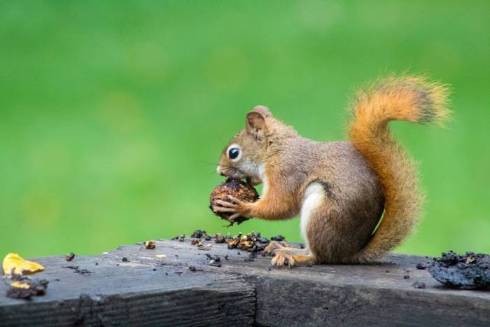
Have you ever pondered the idea of nourishing the charming inhabitants of your backyard, the wild squirrels? Perhaps you've strolled through a store and come across a squirrel feeder, leaving you to wonder what delicacies would please these lively creatures. In either case, determining the ideal squirrel diet can be a tad perplexing. In this post, we embark on a delightful exploration of the culinary world of squirrels, uncovering their favorite foods and offering insights on how to entice them to your feeder, granting you the pleasure of observing them in your backyard. Whether you wish to pamper your squirrel visitors with delectable treats or opt for a nutritious regimen, this guide is here to assist you in discovering the perfect fare.
MID · en

The Triumphal Arch of Paris: A Monumental Landmark
Standing proudly at the western end of the Champs-Élysées, the Arc de Triomphe is one of Paris’s most iconic structures. Commissioned by Napoleon Bonaparte to honor the French army’s victories, this colossal arch has become a symbol of national pride and historical significance. Its intricate carvings, towering height, and commanding presence make it a must-see attraction for visitors from around the world.
MID · en
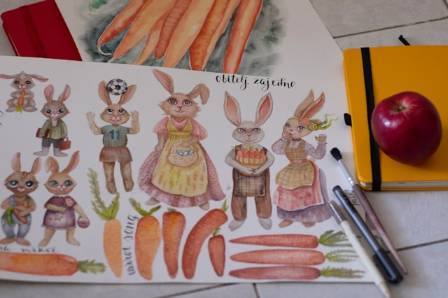
Cute Rabbits to Draw
There’s nothing quite as heartwarming as watching your pet rabbit—the twitching little nose, ears perked up with curiosity, and that adorable way they curl into a tiny loaf of fluff. Capturing that personality on paper is a wonderful way to celebrate your furry companion, and the great news is, you don’t need professional skills to start.
MID · en

5 Secrets to Polished Casual Outfits
What’s the most common occasion I style clients for? It’s not loungewear for home, job interviews, formal offices, or fancy weddings/parties. It’s their everyday life—Monday to Friday, plus casual weekends. That’s why I’m sharing 5 secrets to crafting stylish, polished casual outfits that let you feel put-together in your day-to-day.
MID · en

Black Forest Cake Made Easy
At the end of a long, busy day, there’s something special about stepping into the kitchen and creating a little sweetness. When you’re craving comfort or want to add a touch of joy to an ordinary evening, this Black Forest Cake is a perfect choice. Rich chocolate layers, juicy cherries, and soft whipped cream come together to turn simple moments into something memorable.