Corridor read
Machu Picchu’s Hidden Truths: A Journey Beyond the Surface
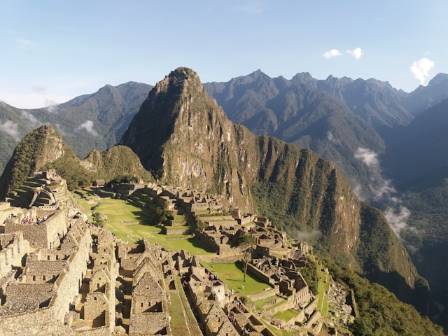
When Hiram Bingham III arrived at the remote mountaintop settlement in 1911, he thought he had uncovered Vilcabamba—the last refuge of the Incas during the Spanish conquest. For decades, Bingham insisted he had found the legendary Lost City. However, later discoveries revealed that the true Vilcabamba lay deep in the jungle, about 50 miles away. Interestingly, Machu Picchu was never truly lost—local farmers were already living on the site when Bingham arrived.
Pheobe
Temple note
Layer tip
The full corridor digest continues below along soft meter ticks.
Path
Temple Corridor
It Was Never the Fabled Lost City
When Hiram Bingham III arrived at the remote mountaintop settlement in 1911, he thought he had uncovered Vilcabamba—the last refuge of the Incas during the Spanish conquest. For decades, Bingham insisted he had found the legendary Lost City. However, later discoveries revealed that the true Vilcabamba lay deep in the jungle, about 50 miles away. Interestingly, Machu Picchu was never truly lost—local farmers were already living on the site when Bingham arrived.
Earthquake-Ready Architecture
Incan engineering was not only elegant but also resilient. The structures at Machu Picchu, like others in the empire, were assembled without mortar. Precisely shaped stones fit so tightly together that even a blade cannot slip between them. Built atop intersecting fault lines, these stone buildings flex and settle during tremors, allowing them to survive centuries of seismic activity—a testament to the Incas’ architectural brilliance.
Most of the Work Lies Underground
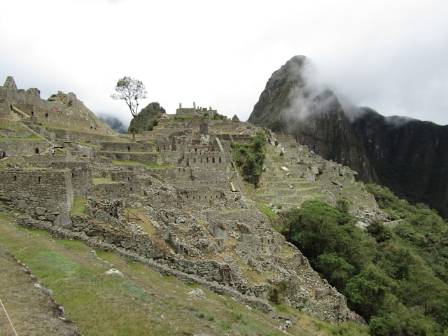
What tourists see above ground is only a fraction of the work. A vast part of Machu Picchu’s construction remains hidden below the surface. To carve out a level platform between two mountain ridges, the Inca removed and redistributed massive amounts of earth and rock. Engineer Kenneth Wright estimates around 60 percent of the construction was subterranean—comprised of foundations, retaining walls, and drainage systems to handle the heavy rainfall of the region.
You Can Hike to the Summit for Free
While the journey to Machu Picchu can be expensive—between train fares, entry tickets, and shuttle buses—those willing to put in physical effort can bypass part of the cost. A steep, switchback trail leads up from Aguas Calientes, closely mirroring Bingham’s original ascent. Though challenging, the hike offers sweeping views and takes roughly an hour and a half.
A Little-Known Museum Holds the Key
Visitors may be surprised by the lack of signage at the archaeological site itself. To gain deeper insight, a detour to the Museo de Sitio Manuel Chávez Ballón is essential. Located down an unpaved road near Aguas Calientes, this underappreciated museum delves into the construction techniques and cultural significance of the site. It’s a 30-minute walk—but well worth it for curious minds.
There Are Multiple Peaks to Conquer
While Huayna Picchu—the steep, horn-shaped mountain in many iconic photos—draws hundreds of climbers daily, few venture up the taller Machu Picchu Mountain. Roughly twice as high, it offers panoramic views of the citadel and the surrounding valley, including the winding Urubamba River. It’s a quieter but equally rewarding climb for those seeking solitude and stunning vistas.
A Hidden Shrine in the Mountain
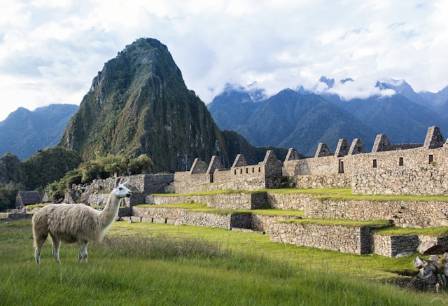
For those lucky enough to secure a Huayna Picchu permit, there’s more than just a summit view. A precarious trail leads to the Temple of the Moon, a secluded sanctuary carved into a cave. Inside, carefully crafted niches and stonework hint at ceremonial uses, possibly involving the veneration of ancestors.
Unexplored Trails May Still Exist
Machu Picchu is nestled within a dense cloud forest, where vegetation quickly reclaims abandoned paths. Stray from the main site, and you may stumble upon lesser-known trails or even unexplored ruins. In 2011, several newly restored agricultural terraces were opened to visitors—suggesting that Machu Picchu still has secrets to reveal.
Aligned with the Sacred Landscape
From its position among the mountains to the orientation of its structures, Machu Picchu reflects deep spiritual planning. Recent findings show that key features of the site align with revered peaks, known as apus, which held religious importance. For example, an arrow-shaped rock atop Huayna Picchu aligns with the Intihuatana Stone and Mount Salcantay, reflecting celestial and terrestrial connections sacred to the Inca worldview.
A Sacred Pathway to the Skies
Archaeoastronomer Giulio Magli proposes that the trek from Cusco to Machu Picchu wasn’t just practical—it was symbolic. He suggests the Inca Trail mirrored the mythic journey of their first ancestors from Lake Titicaca. The dramatic route, ending with a climb to the Intihuatana Stone, may have been a rite of passage, preparing travelers to enter this hallowed mountaintop retreat.
More along this corridor
MID · en
Cosmic Windows
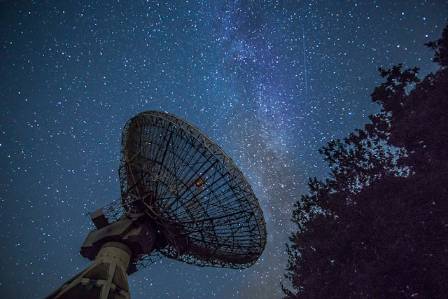
Telescopes are among humanity’s most powerful tools for exploring the unknown. They transform faint light from distant galaxies—mere sparks in the sky—into rich data about stars, planets, and the very origins of the universe. With modern space telescopes like Hubble and the James Webb Space Telescope (JWST), we can now peer deeper and clearer than ever before. These “cosmic windows” have redefined what we know about space and opened new paths for discovery.
MID · en

10 Practical Tips for Displaying Art in Your Home
Choose a frame that suits both the artwork and the space where it will hang. If you’re on a budget, opt for art in standard sizes (like A4, A3, or A2)—these have plenty of affordable ready-made frames available.
MID · en
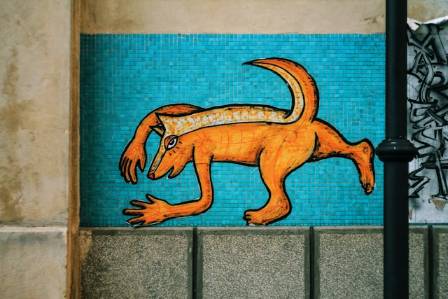
Essential Strategies and Expert Advice for Mosaic Creation
Crafting a mosaic is a rewarding process that combines precision with creativity. Over years of working with various artists and students, a collection of practical insights has emerged to make the workflow smoother and safer. Whether you are a beginner or an experienced creator, these strategies focus on organization, safety, and refining your artistic technique.
MID · en
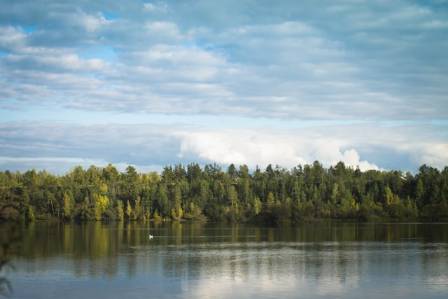
Six of the World's Most Beautiful Forests to Explore
From mist-shrouded cloud forests to ancient bamboo groves, the world's forests offer some of the most breathtaking natural landscapes. These verdant wonderlands provide perfect opportunities for hiking, wildlife spotting, and immersing yourself in nature's tranquility. Here are six spectacular forests that belong on every traveler's bucket list.
MID · en
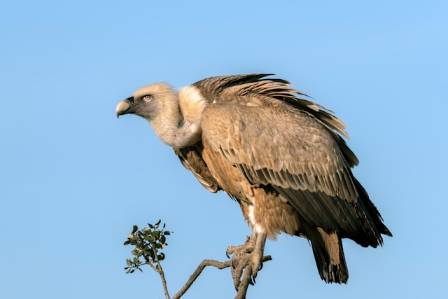
Essential Guide to the Black Vulture
The black vulture, scientifically identified as Coragyps atratus, is a prominent bird of prey categorized within the kingdom Animalia and the family Cathartidae. Its scientific name translates aptly to "raven-vulture clothed in black." This medium-sized scavenger is recognized by its dark plumage, a notably short tail, pale legs, and a distinctive grey head devoid of feathers. Typically, these birds reach lengths of 59 to 74 cm and possess a wide wingspan stretching between 1.4 and 1.6 meters. Weighing in at approximately 1.7 to 2.3 kg, they are formidable figures in the avian world.
MID · en
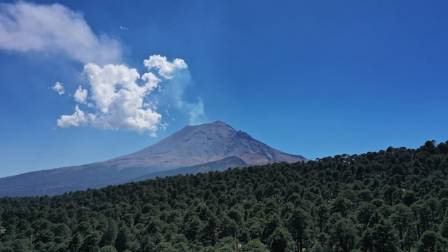
Awe-Inspiring Volcanoes That Draw Global Wanderers
Whether erupting or long at rest, these majestic volcanoes captivate visitors with their raw power and mesmerizing landscapes. More than just geological features, they offer a direct glimpse into Earth’s fiery heart—and the scenery they shape is nothing short of spellbinding.